Transform Your Outdoor Spaces: Expert Tips for Eco-Friendly Gardening and Floral Design
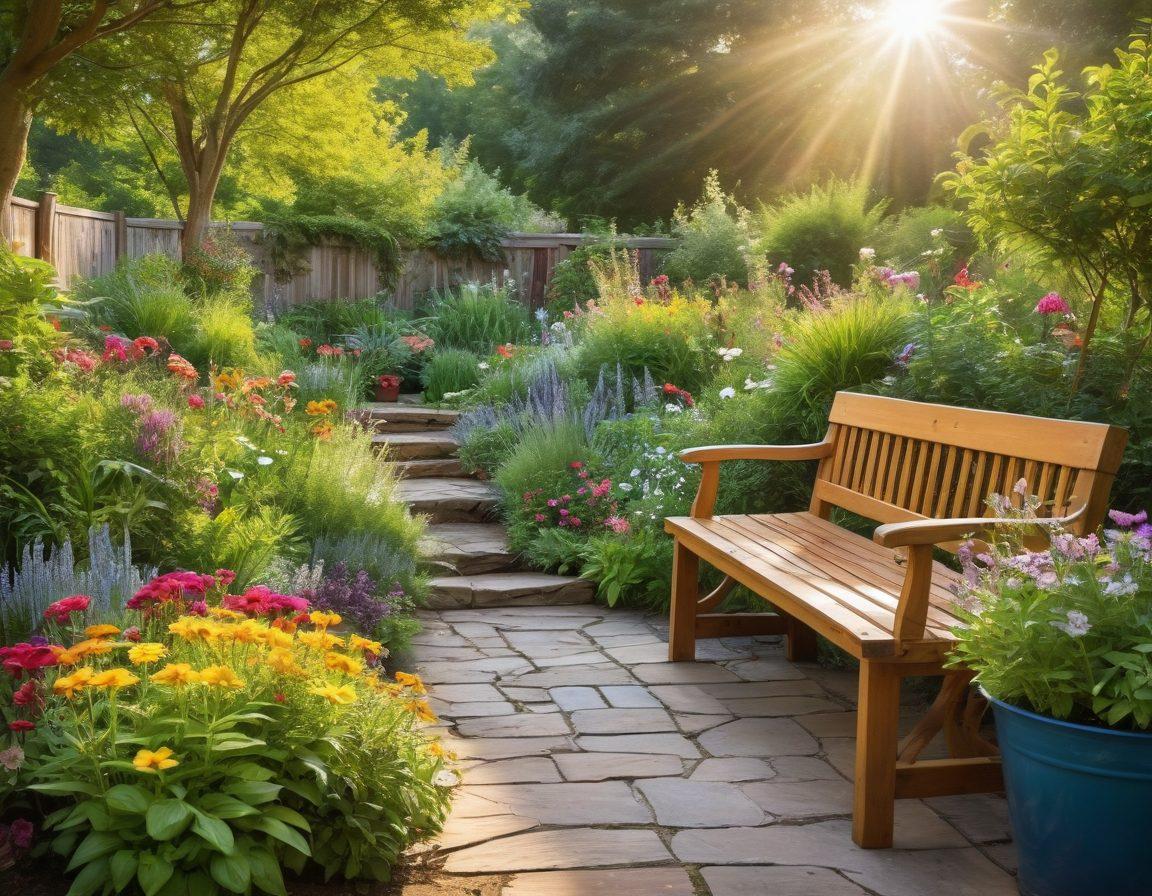
Is your outdoor space interested in some magical transformation? Many people underestimate the potential of their gardens, balconies, and yards when it comes to sustainable landscaping. Imagine stepping into a green oasis that thrives with the vibrance of colorful flower beds, lush shrubbery, and delightful vegetable gardening! So what’s the secret ingredient? It lies in understanding the art of eco-friendly gardening and floral design, where elegance meets environmental stewardship.
The journey begins with the vision of your outdoor spaces. A well-planned garden not only enhances our homes but also contributes to local biodiversity. Have you considered making your landscaping choices reflect a commitment to sustainability? By selecting perennials that bloom beautifully year after year, you can reduce the need for replanting and conserve resources. A horticulturist can guide you to choose plants that thrive in your climate, requiring less water and maintenance, while simultaneously jazzing up your landscape architecture!
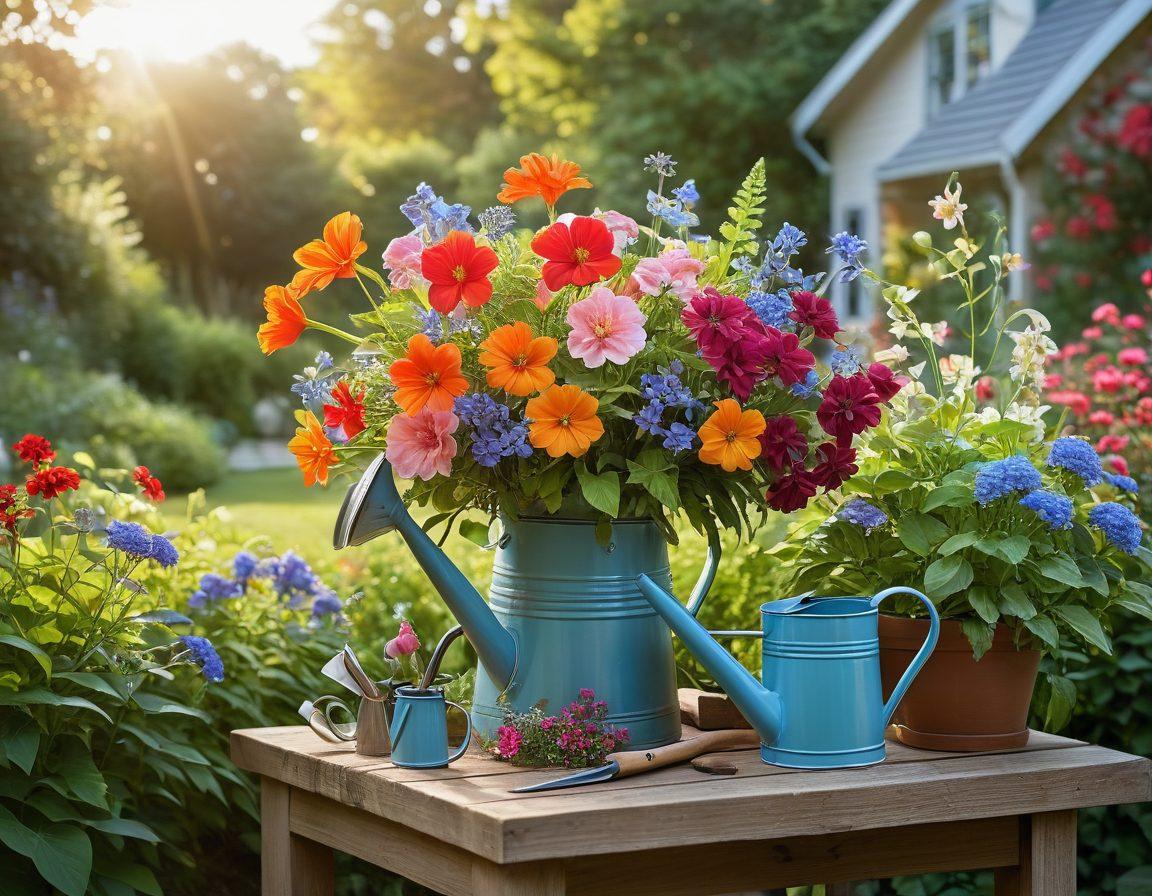
Now, let’s talk about garden tools! They are essential to make your plant care regime efficient and effective. Many eco-friendly options are available today - from hand tools made with sustainable materials to electric tools that reduce carbon emissions. Investing in quality tools means less waste over time, leading to a more sustainable approach in your garden planning. The joy of gardening also lies in the satisfaction of seeing your greenery flourish under your care, doesn't it?
Have you ever found yourself alone, feeling the warmth of the sun on your face while tending to your outdoor sanctuary? The tranquility of urban gardening cannot be overstated. By creating a floral design that embraces local species, you not only beautify your surroundings, but you also invite local wildlife into your outdoor space. Bees and butterflies are attracted to native plants, and in turn, they support the wider ecosystem. As you plant, take a moment to appreciate how such small acts truly contribute to a larger environmental impact. A simple garden can do wonders.
Finally, let’s not forget about garden decor! Beautiful decorations made from recycled materials or natural elements can elevate your outdoor aesthetic without causing harm to the planet. Each flower, each plant, and each recycled piece of art tells a story. So, gather your creativity, and let the process of sustainable landscaping not just be a chore, but a source of joy. As the great gardening writer Aldo Leopold once said, “In this world, there is the Great Green, and what happens there is my soul’s salvation.” Let's nurture our outdoor spaces for ourselves and future generations!
Nurturing Nature: Essential Plant Care Tips for the Eco-Conscious Gardener
As the sun rises and the fresh scent of earth mingles with the gentle breeze, there’s no better time to embrace your role as a gardener, especially if you’re aiming for eco-friendly gardening. Have you ever thought about how nurturing your outdoor spaces can lead to a greener future? Whether you’re a seasoned horticulturist or just stepping into the world of floriculture, knowing the essential plant care tips can transform your garden into a botanical masterpiece while protecting our precious planet. Let’s roll up our sleeves, grab those garden tools, and dive into the art of sustainable landscaping!
When it comes to plant care, the first rule every eco-conscious gardener should remember is to respect the natural balance of your environment. Think about creating a harmonious ecosystem in your outdoor spaces. Plant perennials that thrive in your local climate and attract pollinators. Not only do these plants add vibrant greenery to your flower beds, but they also reduce the need for excessive irrigation and maintenance. What is your favorite perennial that grows in your area? Share your experiences and let’s inspire each other!
Organic gardening practices are vital for developing a wonderful garden full of life. Ditch the harsh chemicals and embrace natural fertilizers or homemade compost. Did you know that composting kitchen scraps can result in nutrient-rich soil that your plants will love? You can even grow your own vegetable garden without the need for synthetic products. Urban gardening allows for an intimate connection with the earth, even in small spaces. Have you ever tried container gardening? This method is not only practical but enables you to use recycled materials as planters!
Taking care of your plants means paying attention to garden maintenance, which can often be an overwhelming task. However, with effective garden planning, maintaining your urban green oasis can be a stress-free joy. Consider seasonal tasks that relate to your flower beds and shrubbery. For example, in the fall, clearing debris reduces the likelihood of pests and diseases in your garden. What is your go-to maintenance tip? Share your thoughts with the gardening community!
Finally, don’t forget to add a touch of flair with thoughtful garden decor that echoes your eco-friendly values. A handcrafted bird feeder not only invites delightful wildlife into your space but also enhances the beauty of your environment. After all, eco-friendly gardening isn’t just about the plants; it’s about creating a sanctuary for yourself and the creatures of the earth. As you nurture your outdoor spaces, what charming decor pieces will you incorporate to make your garden truly yours?
Floral Design Made Easy: Transform Your Garden with Expert Floral Techniques
Floral design is not just about picking pretty flowers and placing them in a vase; it’s about creating a vibrant narrative in your outdoor spaces that reflects your personality and taste. Imagine stepping into a garden filled with lush greenery, colorful bloom of annuals and perennials, and aromatic herbs. How delightful would it be to guide your guests through an enchanting floral arrangement that captures their attention? With expert floral techniques, you can easily transform your garden into a botanical masterpiece that could rival even the most stunning landscape architecture.
Let’s start with the heartbeat of floral design: the layout. Garden planning is essential, and it all begins with a vision. Picture the flow of your outdoor spaces—where would you love to see flower beds bursting with color? Consider the sunlight that kisses your garden. Is there a sunny spot perfect for a vegetable gardening nook or a shadier area that calls for some delightful shrubbery? As a landscaper, I often advise my clients to consider focal points, ensuring that taller plants like sunflowers or hollyhocks create a visual hierarchy among the greenery.
Gardening is a dance between nature and care, a choreographed routine that requires knowledge, patience, and perhaps the right garden tools. When delving into floriculture, be sure to research the best plant care practices for your selected flowers. For instance, did you know that many perennial flowers thrive in similar conditions, creating a compatible ecosystem? Learning about their compatibility can eliminate the headache of mismatched growth and help maintain a sustainable landscaping vision. How often do we forget about enriching the soil with organic compost to maximize growth?
A common misconception is that floral design is only for those with expansive gardens. Urban gardening is on the rise, and even the smallest balcony or terrace can be transformed with potted plants bursting with colors. Hanging gardens adorned with trailing vines and potted annuals can create layers and intricate designs, steering away from traditional notions of static garden decor. Picture this: a cascading mix of petunias and ivy spiraling down from a humble balcony. How beautiful would it be to create such vibrancy in limited space?
Lastly, garden maintenance is your best friend when it comes to sustaining a flourishing floral design. Regularly tending to your plants not only enhances growth but also adds to their life span. A simple weekday ritual of checking your garden can prevent pest disasters and keep your flower beds looking pristine. Don’t forget to experiment! Whether you’re swaying toward a more wildflower approach or a tidy, duplex planting strategy, find what resonates with you—the passionate horticulturist within you will be grateful for your efforts. Remember, every garden tells a story; what is yours going to say?